
Tree services

Tree support systems across Melbourne.

Dynamic cabling, static bracing, and propping for trees with structural weakness. Designed to manage risk and extend the safe, functional life of mature trees worth keeping.
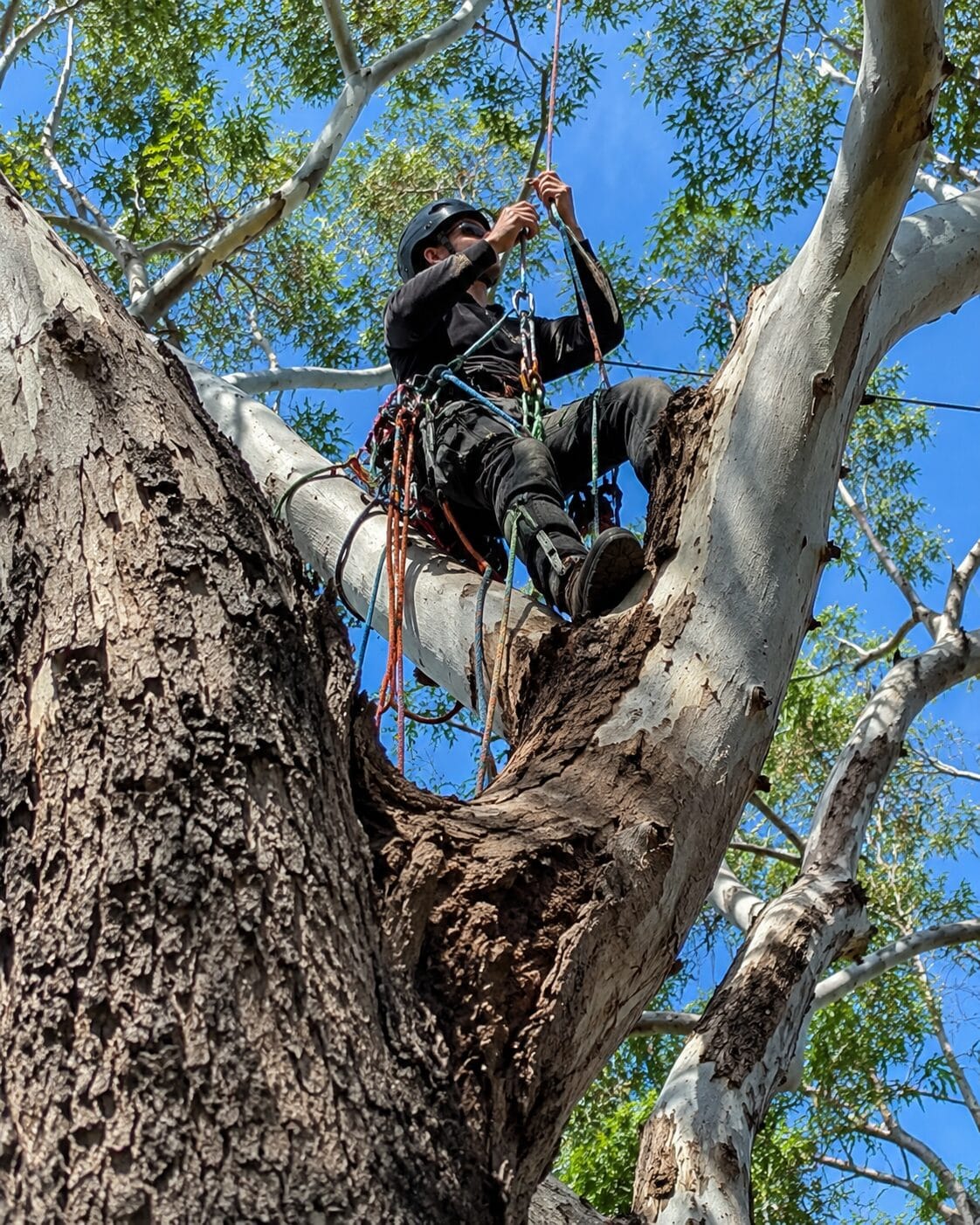
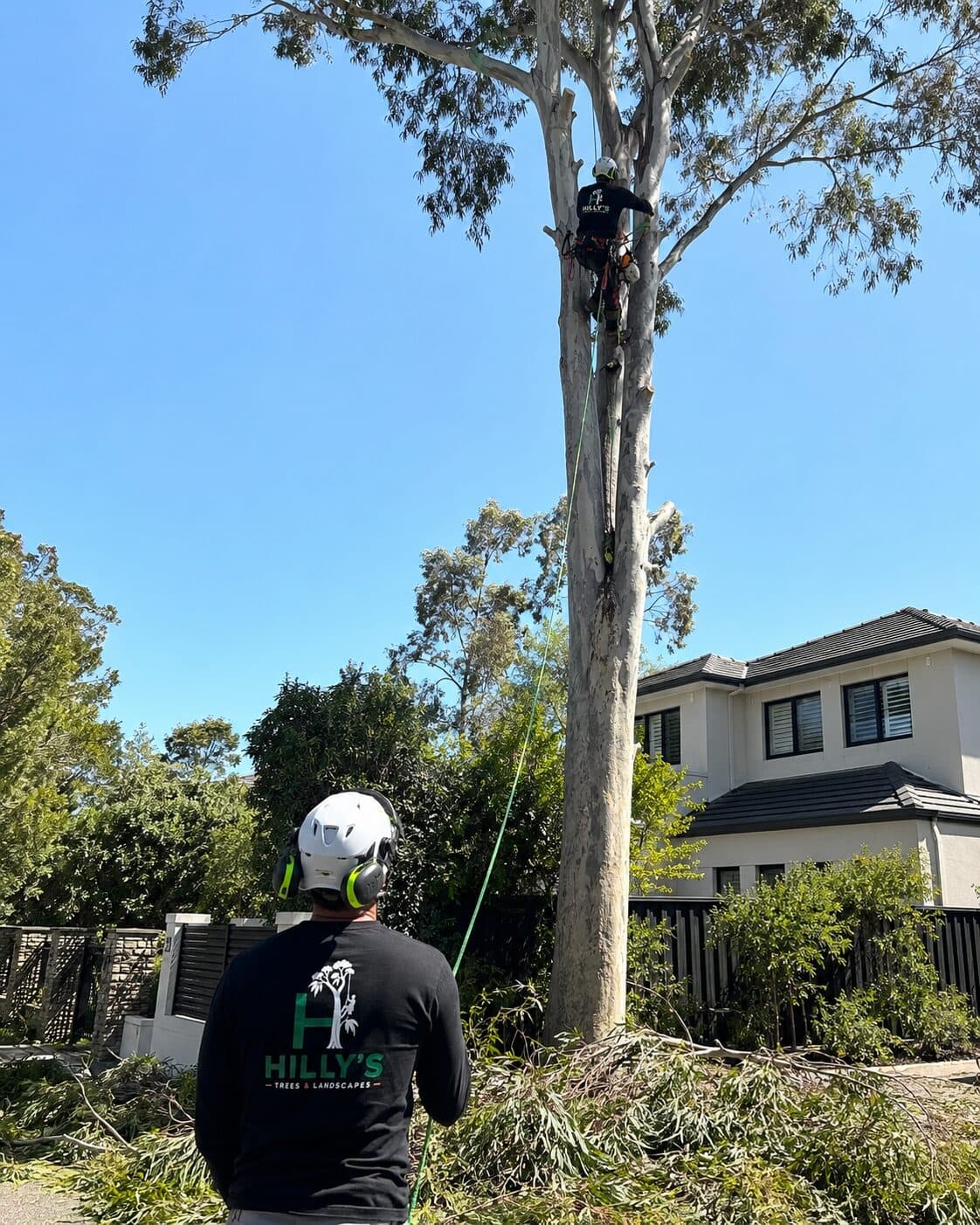
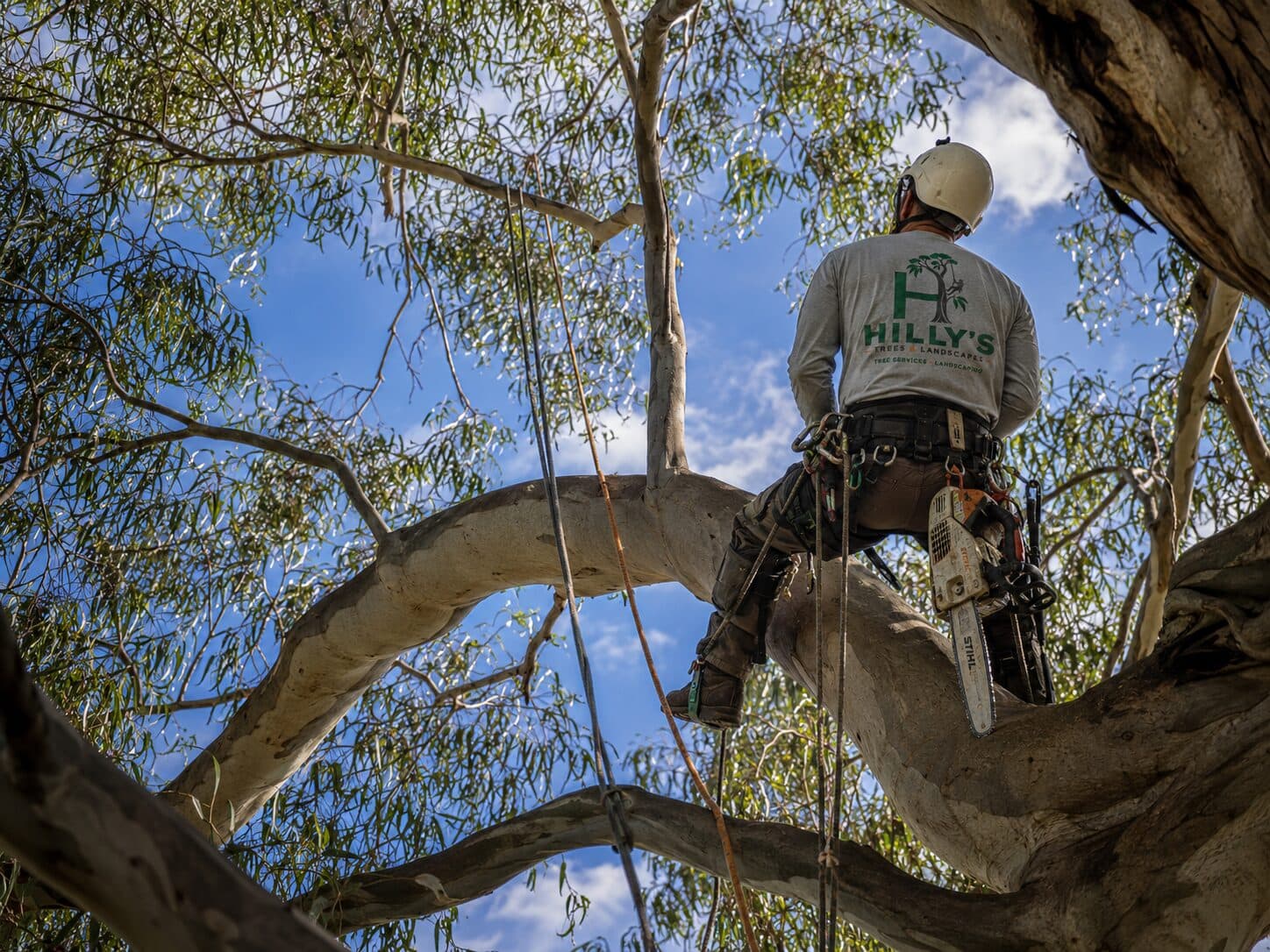
Illustration of a climbing arborist positioned in the upper canopy where support system installs are made
AQF Level 5 consulting reports$20M public liabilityPermit controls checkedSame-day responseAcross Melbourne
What they do

Healthy trees are not always structurally sound.

A tree support system is a permanent or semi-permanent install in the canopy or trunk of a tree designed to reduce the likelihood and consequence of structural failure. Cabling between major limbs limits the distance any one limb can travel in high wind. Bracing rods through a weak union physically tie split stems together. Propping under a heavy lateral limb shares the load to the ground. The right system, installed correctly, can keep a structurally compromised tree safely in place for years or decades.

We assess and install to ANSI A300 Part 3 (Support Systems) and ISA Best Management Practices. The aim is always to work with the tree's natural movement, not against it. A poorly designed support system concentrates stress at the install point and accelerates the failure it was meant to prevent. A well-designed one disappears, and the tree carries on.

Support systems are most often used on mature trees the owner wants to keep, where the trigger is a structural concern rather than a health concern. They are not a substitute for arboricultural pruning, and they are not appropriate for trees in advanced decline. We assess viability first and only install where the tree is otherwise sound enough to benefit.

When a support system is appropriate

Weak or poorly formed branch unions

Co-dominant stems with included bark, narrow attachment angles, or visible cracking at the junction.

Heavy, imbalanced, or extended canopies

Long lateral limbs over targets, asymmetric canopies, or trees that have been incorrectly pruned in the past.

Historical storm damage or structural splitting

Trees that have split or partially failed before and have been retained, where reinforcement reduces the chance of further failure.

High-value trees near structures or high-use areas

Heritage trees, significant street trees, or trees over driveways, pools, or main entries where failure consequence is high.

What it costs

Per install, by system type and tree access.

Pricing covers assessment, system design, hardware, installation, and the written install report. Inspection visits are quoted separately on an annual schedule.

These are Hilly's indicative ranges, not industry averages or a property-specific quote. Access, condition, equipment, approvals, disposal and the final scope can change the price.

Single dynamic cable
$450 to $900

One dynamic cable between two limbs. Most common install. Cobra or Boa systems.

  • Climbed install
  • Hardware + labour
  • Written install report
Multi-cable system
$1,200 to $4,000

Three to six dynamic cables in a coordinated pattern. For larger trees with multiple structural concerns.

  • Assessment + design
  • Multi-point install
  • Annual inspection plan
Static bracing or propping
$1,800 to $8,000

Threaded rod bracing through a split or weak union, or ground-supported propping of a heavy lateral.

  • Engineered install
  • Hardware to spec
  • Documented for insurance

Annual inspection of installed systems is recommended. Inspection visits start at $250 per system.

How we work

The standard process.

Step 01

Structural assessment

AQF Level 5 arborists climb and assess the tree against the ANSI A300 Part 3 framework. We confirm the defect, the install viability, and the right system type.

Step 02

Written design + quote

System diagram, hardware specification, install location and method, photographs and a written quote. Usually within 5 business days.

Step 03

Install day

System installed by qualified climber, all hardware to spec. Documented with photographs at each anchor point. Most installs are a single-day job.

Step 04

Annual inspection

All installed systems should be visually inspected each year. We book an annual visit and report on hardware condition, anchor points, and any new structural changes in the tree.

What the work looks like

Illustrative images of the technique. Photographs of completed Hilly's jobs are in the project gallery.
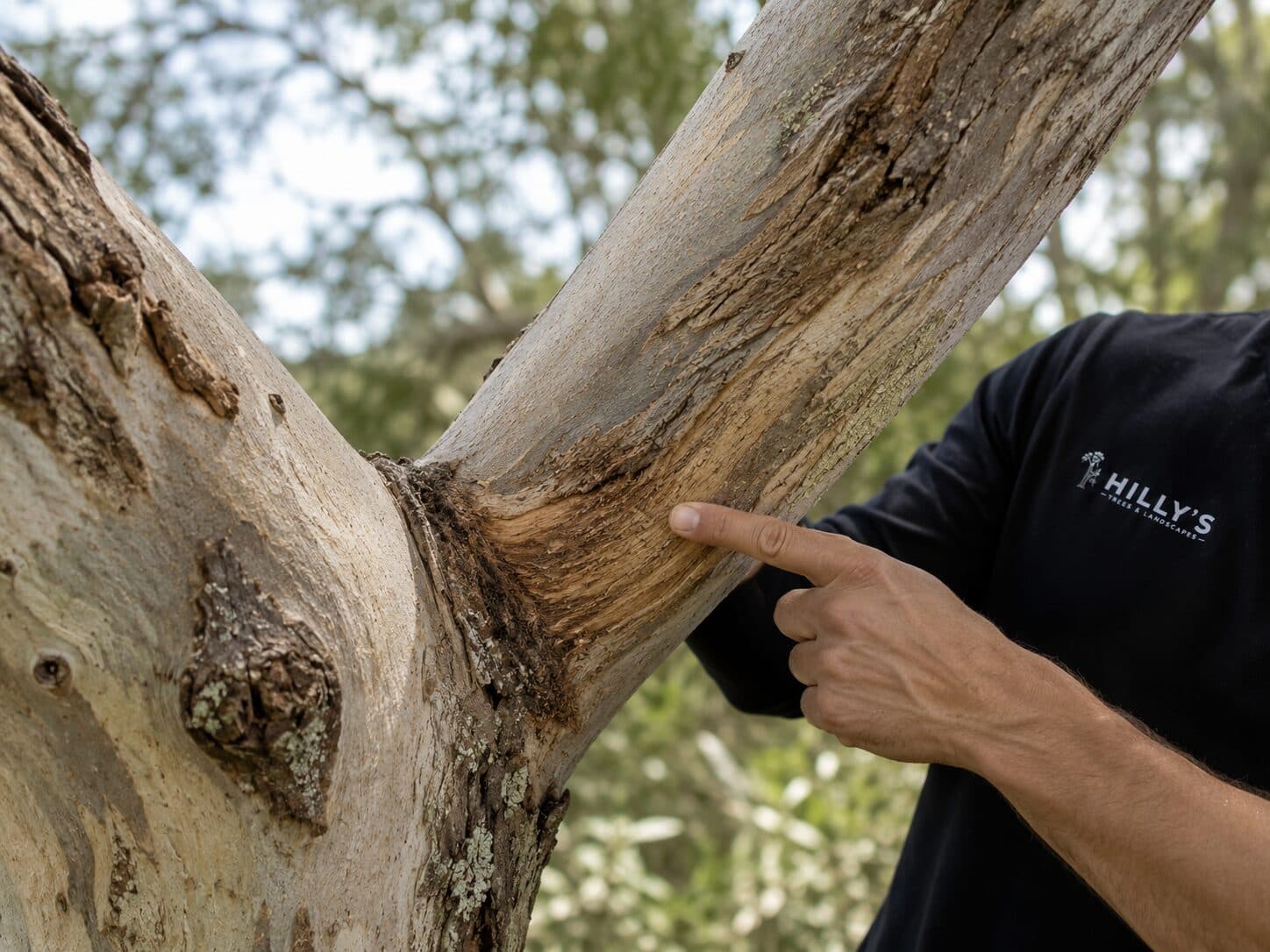
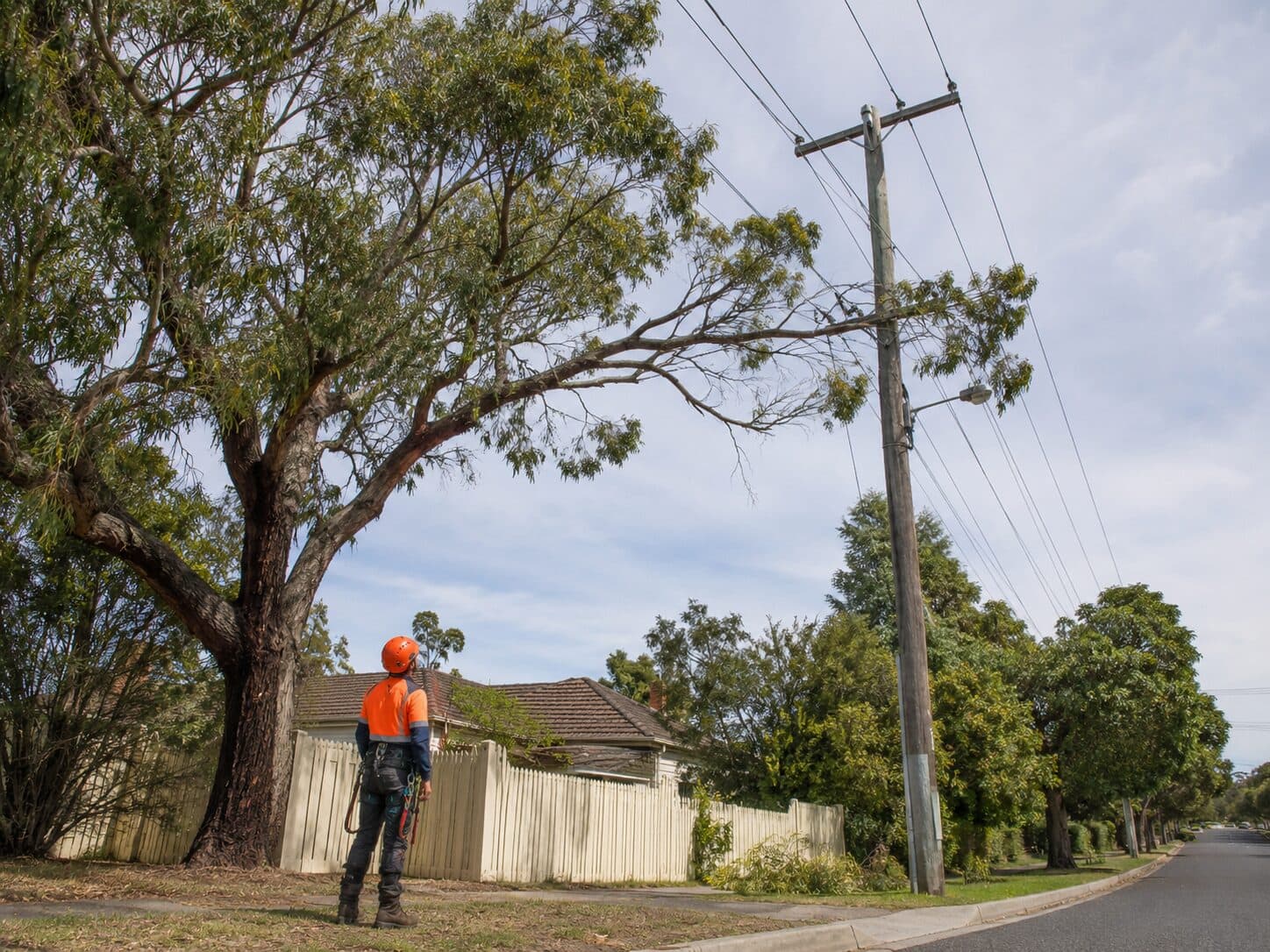
Arborist assessing the union of a mature trunk during a structural assessment
Illustration of a climber at the install point for a dynamic cable between two major limbs
Suburbs we cover

Regular work across Melbourne's east, south east, bayside and north.

Malvern EastCaulfieldCarnegieGlen IrisChadstoneMalvernPrahranHughesdaleOakleighBentleighElwoodEndeavour HillsBrightonHawthornCamberwellMount WaverleyAshburtonMurrumbeenaWheelers HillSurrey Hills
FAQs

The questions we get most.

When a tree has a structural defect (weak union, co-dominant stems, split branch, asymmetric canopy) but is otherwise healthy and worth keeping, and where the consequence of failure is significant (close to a building, driveway, or high-use area). Support systems are not appropriate for trees in advanced decline, or where the structural problem is severe enough that removal is the safer call. We assess and tell you which it is.

A single dynamic cable: $450 to $900. A multi-cable system for a larger tree: $1,200 to $4,000. Static bracing or propping of a split union or heavy limb: $1,800 to $8,000. Pricing covers assessment, hardware, install, and the install report. Annual inspection visits start at $250.

Dynamic cables (Cobra, Boa) are non-invasive flexible systems that limit how far a limb can travel without restricting normal movement. They sit around the limbs rather than penetrating the wood. Static bracing uses threaded steel rods through the trunk or limb at a weak union to physically tie the wood together. Dynamic cabling is most common; static bracing is used where the defect is already a crack or split that needs to be held in place.

Dynamic cable systems are typically rated for 10 years before resleeving or replacement. Static bracing can last the life of the tree. All systems should be visually inspected annually, and we recommend booking the annual visit so the inspection happens on schedule.

Correctly installed support systems are designed to coexist with the tree, not damage it. Dynamic cabling has minimal contact pressure. Static bracing creates a small wound at the rod entry that the tree seals over within a season. The risk of damage from a poorly installed system is real, which is why we only install to ANSI A300 Part 3 with documented hardware.
Request a quote

Book a site visit.

Send the address, photographs and the work you are considering. We will confirm whether a site visit is needed and provide the scope and price in writing.

0468 077 782Email Hilly's TreesMon to Sat, 24/7 emergency
AQF Level 5 consulting reports$20M public liability

Or call 0468 077 782, Mon to Sat. 24/7 for emergencies.

CallText
Go to the full quote form